
The outdoor industry has never had more opportunities to reach customers, yet it has never been harder to earn their attention. Consumers are surrounded by sponsored content, product reviews, gear recommendations, and influencers competing for a place in their social media feeds. As a result, many outdoor brands have mistaken visibility for influence, investing significant budgets into partnerships that generate impressions but fail to build trust or drive long term growth.
The problem is rarely influencer marketing itself. The problem is how brands approach it.
The most successful outdoor companies understand that influencer marketing is not about finding the largest audience. It is about finding the right community. Whether you are a hunting brand, fishing company, outdoor apparel manufacturer, optics company, guide service, or conservation organization, the strength of your marketing depends on credibility. In industries where reputation carries tremendous weight, authenticity will always outperform popularity.
An experienced outdoor marketing agency understands that influencer marketing should be part of a broader brand strategy rather than an isolated campaign. When approached thoughtfully, it becomes one of the most effective ways to strengthen customer relationships, expand brand awareness, and create advocates who continue telling your story long after a campaign ends.
Why Traditional Influencer Marketing Often Falls Short
Many brands begin influencer marketing by looking at follower counts. A creator with hundreds of thousands of followers appears to offer immediate reach, making the decision seem straightforward. Unfortunately, large audiences do not always translate into meaningful business results.
Outdoor consumers are highly knowledgeable. They recognize when a product recommendation is genuine and when it is simply another paid endorsement. If every post features a different rifle, fishing reel, camouflage pattern, or cooler, audiences quickly lose confidence in the creator and the brands they promote.
Influencer marketing becomes ineffective when the relationship is transactional. A product is shipped, a post is published, and both parties move on to the next campaign. Nothing about that process creates community or lasting loyalty.
The strongest partnerships develop over time. Influencers become ambassadors because they genuinely use the products, believe in the company’s mission, and naturally integrate the brand into the stories they already tell.
Outdoor Brands Need Storytellers, Not Advertisers
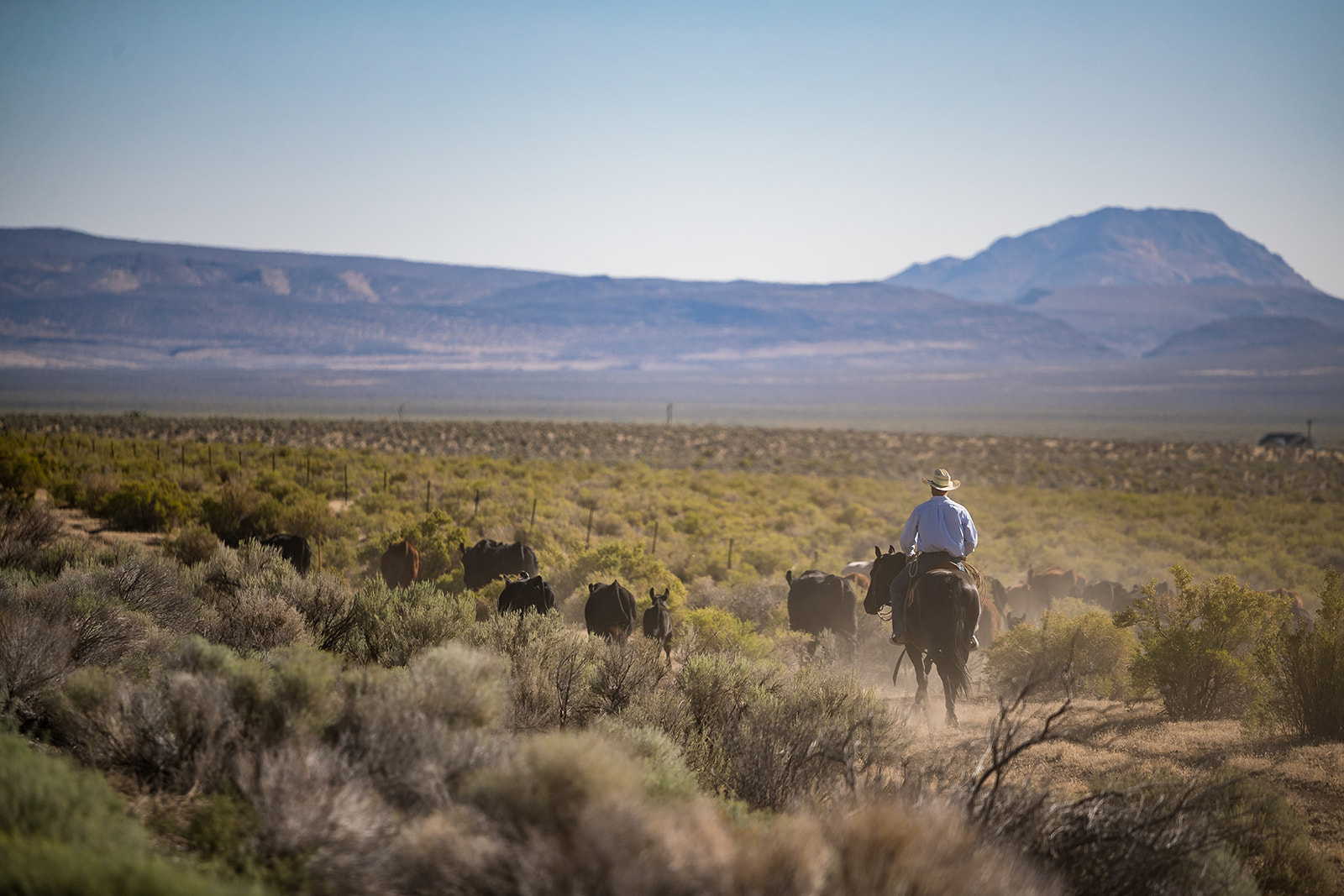
The outdoor industry has always been built around stories. Hunters remember the people who taught them patience. Anglers pass down favorite fishing spots through generations. Outfitters, conservationists, and outdoor enthusiasts build relationships through shared experiences rather than sales presentations.
That culture makes storytelling one of the industry’s greatest marketing advantages.
The best influencers understand that their responsibility is not to advertise products. It is to document experiences. A fishing trip becomes a story about preparation, changing conditions, and persistence. A hunt becomes a story about conservation, family traditions, and respect for wildlife. The equipment becomes part of the experience rather than the entire message.
Audiences connect with those stories because they reflect why people participate in outdoor recreation in the first place.
Choosing the Right Influencers
Finding the right partner requires far more than reviewing engagement statistics. Brands should evaluate whether an influencer’s values align with their own, whether their audience matches the company’s ideal customer, and whether their content consistently demonstrates authenticity.
Some of the most effective partnerships are built with creators who have smaller but highly engaged communities. Their recommendations often carry greater credibility because their audiences view them as trusted experts rather than professional advertisers.
A hunting marketing agency or fishing marketing agency should also evaluate how an influencer behaves beyond social media. Industry reputation, professionalism, communication, and long term reliability are all factors that influence the success of a partnership.
The right relationship strengthens both the creator and the brand.
Influencer Marketing Should Support a Larger Strategy
One of the biggest mistakes outdoor companies make is treating influencer marketing as a stand-alone tactic. In reality, the content created through these partnerships should strengthen every part of the marketing strategy.
Influencer videos can support digital advertising campaigns. Photography can enhance websites and product launches. Field testimonials become valuable assets for sales teams. Behind the scenes content builds stronger social media engagement. Long form storytelling can support search engine optimization while creating meaningful content for email marketing and public relations.
When influencer marketing is planned strategically, one partnership can generate months of valuable content across multiple platforms.
Building Community Instead of Campaigns
The outdoor industry has always been built on relationships. Customers recommend gear to friends because they trust it. Outfitters earn loyalty through experience. Conservation organizations grow because people believe in their mission. The same principle applies to marketing.
An outdoor marketing agency should not simply connect brands with influencers. It should help build a community of advocates who genuinely believe in the products and values they represent.
That requires long term thinking. Instead of asking how many impressions a campaign generated, brands should ask whether they strengthened customer trust, expanded meaningful relationships, and created stories people wanted to share.
Those outcomes are far more valuable than temporary visibility.
Why Strategy Matters More Than Reach
Successful influencer marketing is not measured by the number of creators involved or the size of their audiences. It is measured by whether those partnerships help move the business forward.
For outdoor, hunting, and fishing brands, credibility is one of the most valuable assets a company can build. Every partnership should reinforce that credibility rather than dilute it.
The brands that succeed over the next decade will not be the ones producing the most sponsored content. They will be the companies that invest in authentic relationships, meaningful storytelling, and communities built around shared values.
Influencer marketing is simply the vehicle. Trust is the destination.