
When most people picture a cowboy, they probably imagine a wide-brimmed hat, a horse, and an endless stretch of prairie. It’s an iconic image, but it’s only one chapter in a much larger story.
National Day of the Cowboy is an opportunity to celebrate the people who have built their lives around caring for livestock, stewarding the land, and carrying forward traditions that continue to shape the American West. What often gets overlooked is that there isn’t just one kind of cowboy. Across the United States, the work may look different, the landscapes may change, and even the names may vary, but the values remain remarkably consistent.
Long before the famous Chisholm Trail cattle drive started in 1865, winding from the Rio Grande to Kansas, ranching had already taken root in Florida. In fact, Florida was the first region of what is now the United States to have cattle, introduced by Spanish explorers in the 1500s. The state’s ranching tradition gave rise to the Florida Cracker Cowboy, named for the distinctive crack of the long whips used to move cattle through dense palmetto scrub rather than open prairie. Cracker cowboys developed their own style of ranching, working hardy Florida Cracker cattle from the backs of agile Florida Cracker Horses, two heritage breeds that remain an important part of the state’s agricultural history.
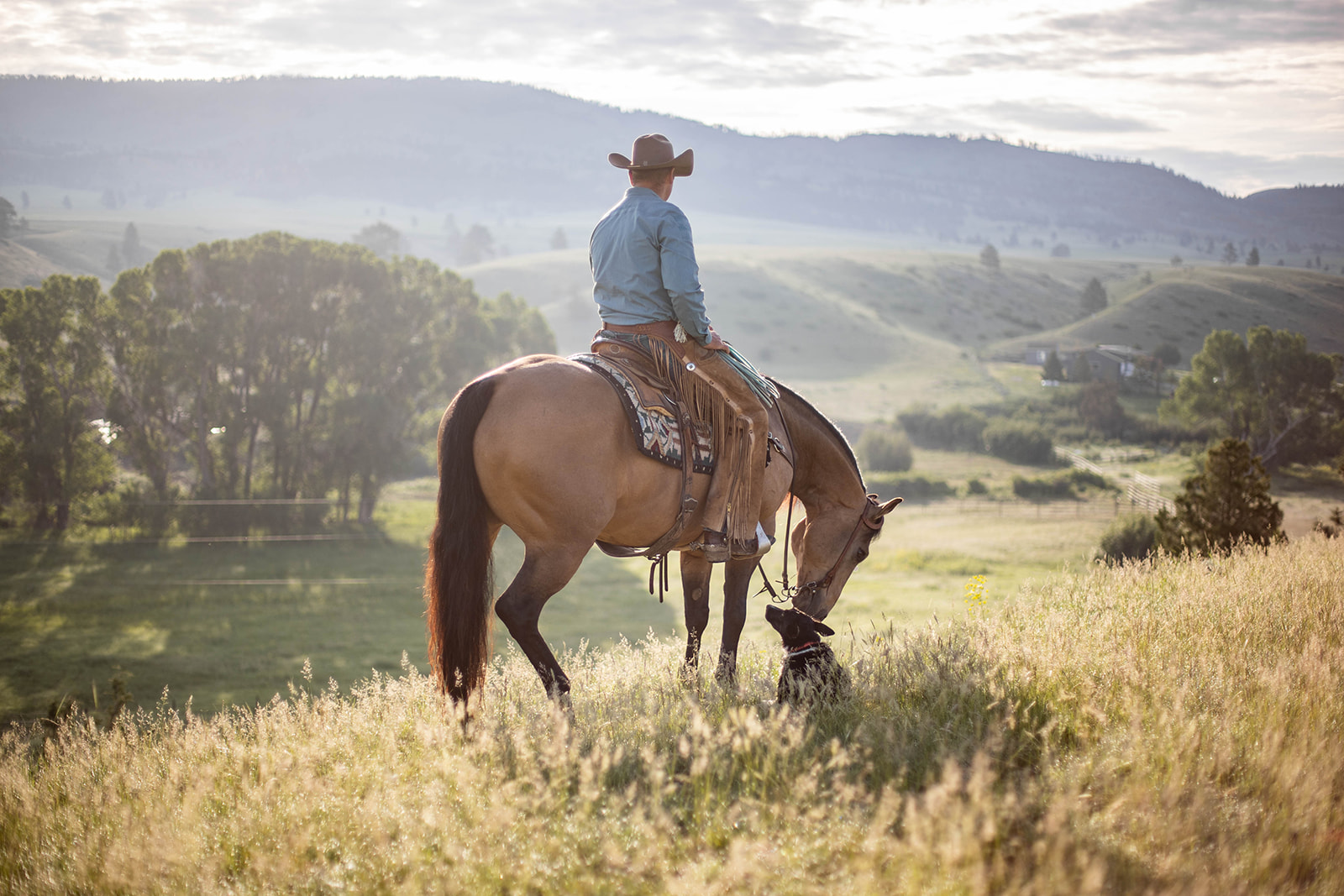
Travel west to Texas and Oklahoma, and you’ll find a ranching tradition that has helped shape the public’s image of the American cowboy. Home to some of the country’s most historic ranches, including the legendary 6666 Ranch, Texas has long been a proving ground for cattlemen whose influence reaches far beyond state lines. While every ranch has its own way of working cattle, Texas remains a cornerstone of American ranching history, where tradition continues to evolve alongside modern cattle production.
Further west, in Oregon, Nevada, and parts of California, you’ll hear another name: buckaroo. Derived from the Spanish word vaquero, buckaroo culture reflects some of the oldest horsemanship traditions in North America. These ranches often work horseback across vast public and private rangelands, and many still practice large, community brandings that bring neighboring ranches together. Their gear, stockmanship, and methods carry strong Spanish and Basque influences that have been preserved for generations.
Cross the Pacific, and another ranching tradition tells its own remarkable story. In Hawaii, the cowboy is known as the paniolo. Mexican vaqueros introduced cattle-handling and horsemanship to the islands in the early nineteenth century, creating a ranching culture unlike anywhere else in the country. Today, Hawaii’s paniolo continue a legacy that blends Hawaiian heritage with the traditions of the vaquero.
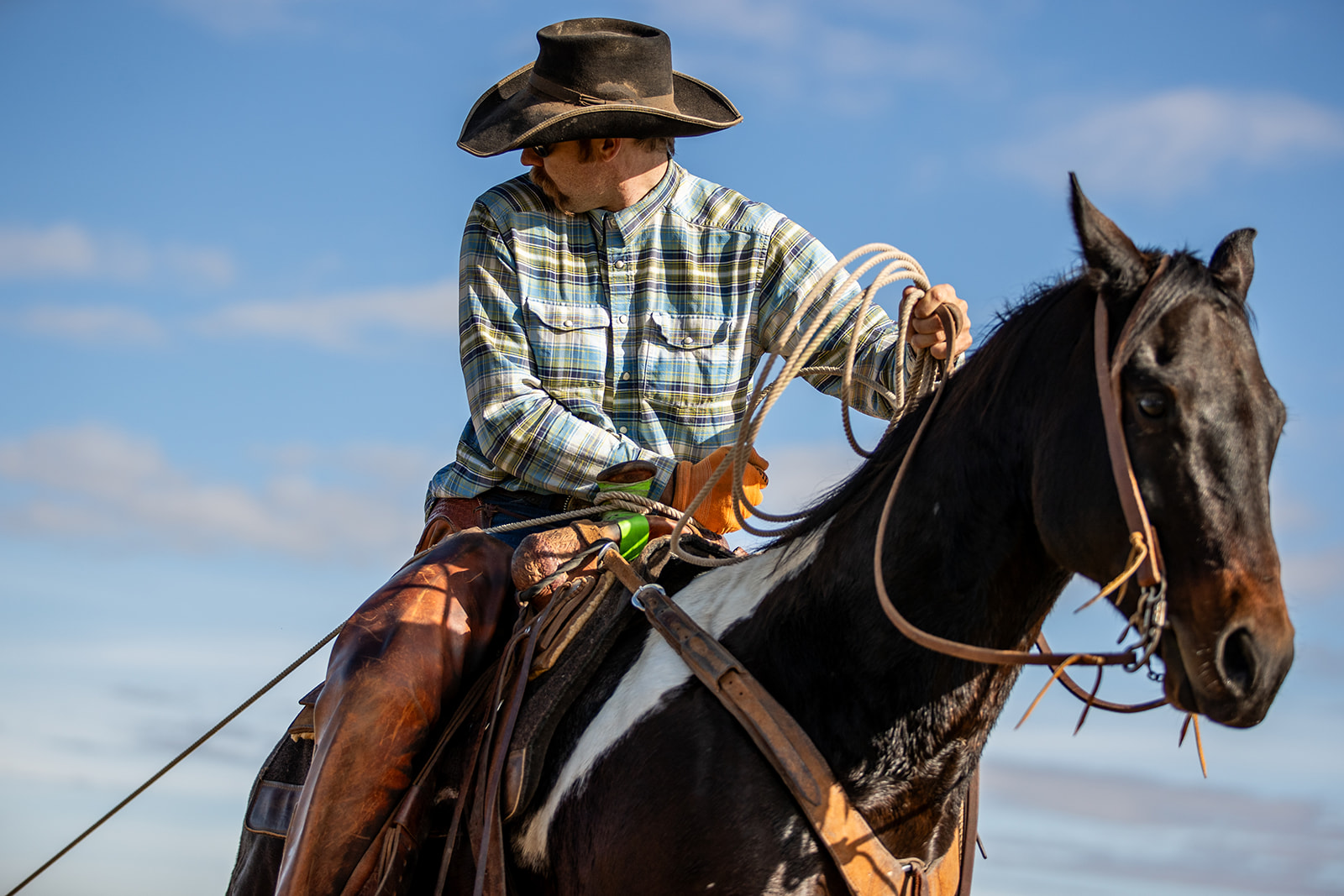
Then there are the rodeo cowboys and cowgirls. Some spend their weekdays horseback on working ranches before loading up to compete on the weekends. Others have built careers through the arena alone. Regardless of the path, they carry forward skills that were born from practical ranch work, transforming them into one of America’s most celebrated sports.
Some are cattlemen managing multigenerational ranches. Others train horses, move sheep through mountain country, or care for livestock on family farms. Every landscape asks something different of the people who work it, and every region has developed its own traditions to meet those challenges.
That’s what makes the cowboy story so remarkable.
It has never belonged to one state or one style of ranching. It belongs to people who understand that caring for land and livestock requires resilience, responsibility, and a willingness to put in the work, day after day. The hats may look different. The saddles may change. Even the cattle and horses may be unique to the region.
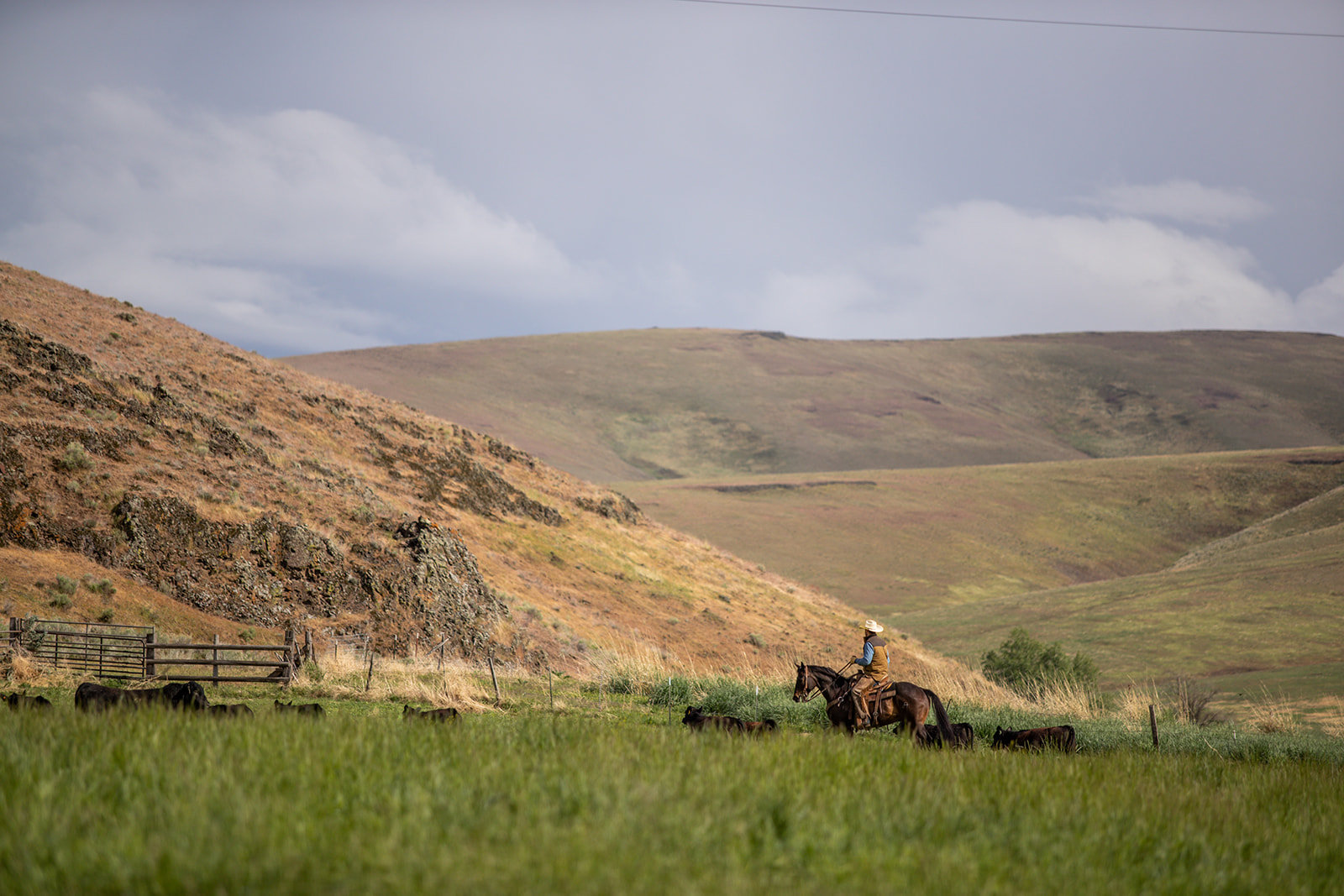
The values, however, remain the same.
At McFarland Productions, we’ve had the privilege of telling stories across many corners of the Western and agricultural world. One lesson continues to stand out: authenticity doesn’t come from fitting a single image of what a cowboy should be. It comes from honoring the unique traditions that each region has built over generations.
National Day of the Cowboy isn’t about celebrating one version of the cowboy.
It’s about celebrating all of them.